
Butte County wildfire preparedness is not something residents should leave until smoke is already in the air. In Northern California, fire season can bring fast-changing conditions, evacuation warnings, road closures, poor air quality, and stressful decisions for families. Preparing early helps residents respond faster, protect important documents, understand evacuation routes, and reduce avoidable risks around the home.
Butte County has experienced serious wildfire impacts in past years, which makes preparation more than just a seasonal checklist. It is part of everyday community safety. Whether you live in Chico, Oroville, Paradise, Magalia, Gridley, Biggs, or a rural area, knowing your local fire risk and having a plan can make a real difference.
This guide from Butte County California is written as a practical local resource for residents, newcomers, and property owners. It is not a replacement for official emergency instructions. During an active emergency, always follow updates from Butte County, CAL FIRE, local law enforcement, and emergency management officials.
Why Butte County Wildfire Preparedness Matters
Butte County wildfire preparedness matters because wildfire safety is not only about what happens during a fire. The most important work often happens weeks or months before an evacuation warning is issued. Clearing flammable materials, preparing an emergency kit, knowing your evacuation zone, and talking with your household can reduce panic when conditions change quickly.
One of the most important local steps is learning your evacuation zone. Butte County’s official “Know Your Zone” resource allows residents to find their evacuation zone and remember the number portion of the zone ID. This is helpful because emergency alerts may refer to specific zones instead of only using street names or neighborhoods. You can find official evacuation zone information through the Butte County Know Your Zone page.
Another important part of wildfire safety is defensible space. CAL FIRE explains that defensible space is the buffer between a structure and surrounding vegetation or wildland areas. This space can help slow or stop wildfire spread and can also give firefighters a safer area to work if they need to defend a property. Residents can review official guidance through the CAL FIRE defensible space resource.
Know Your Evacuation Zone Before You Need It
Waiting until a wildfire is nearby is the wrong time to figure out your zone, routes, and emergency contacts. Every household should know its evacuation zone, nearby zones for family members, and the zone connected to a child’s school, workplace, or regular care location. This is especially important in Butte County because evacuation conditions can vary by community, road access, wind direction, and fire movement.
Write your zone number somewhere easy to find. Save it on your phone, add it to your emergency folder, and make sure everyone in your household knows where to look. If you help an older family member or neighbor, help them identify their zone too. Preparation is stronger when it happens at the household and neighborhood level.
Save Official Emergency Links
Bookmark official emergency pages before fire season. Save links for Butte County emergency updates, evacuation zones, CAL FIRE, local sheriff updates, and weather information. Do not depend only on social media screenshots because posts can become outdated quickly. Official pages should be the first place you check when decisions involve evacuation, road closures, shelters, or public safety notices.
Make A Family Communication Plan
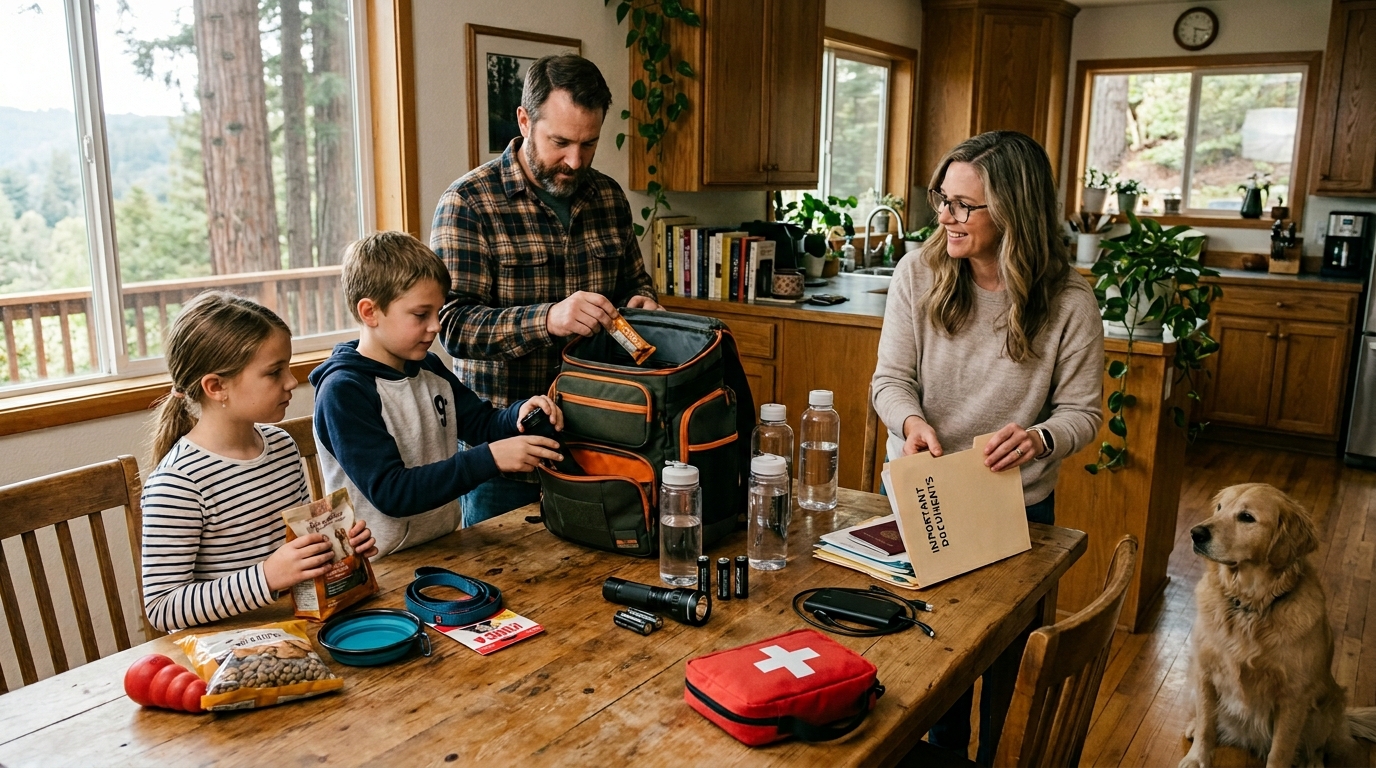
Every household should have a simple communication plan. Decide who will contact whom, where your family will meet if separated, and what you will do if cell service is weak. Choose an out-of-area contact who can help relay messages. During stressful situations, people forget details, so a written plan is better than relying on memory.
Create Defensible Space Around Your Home
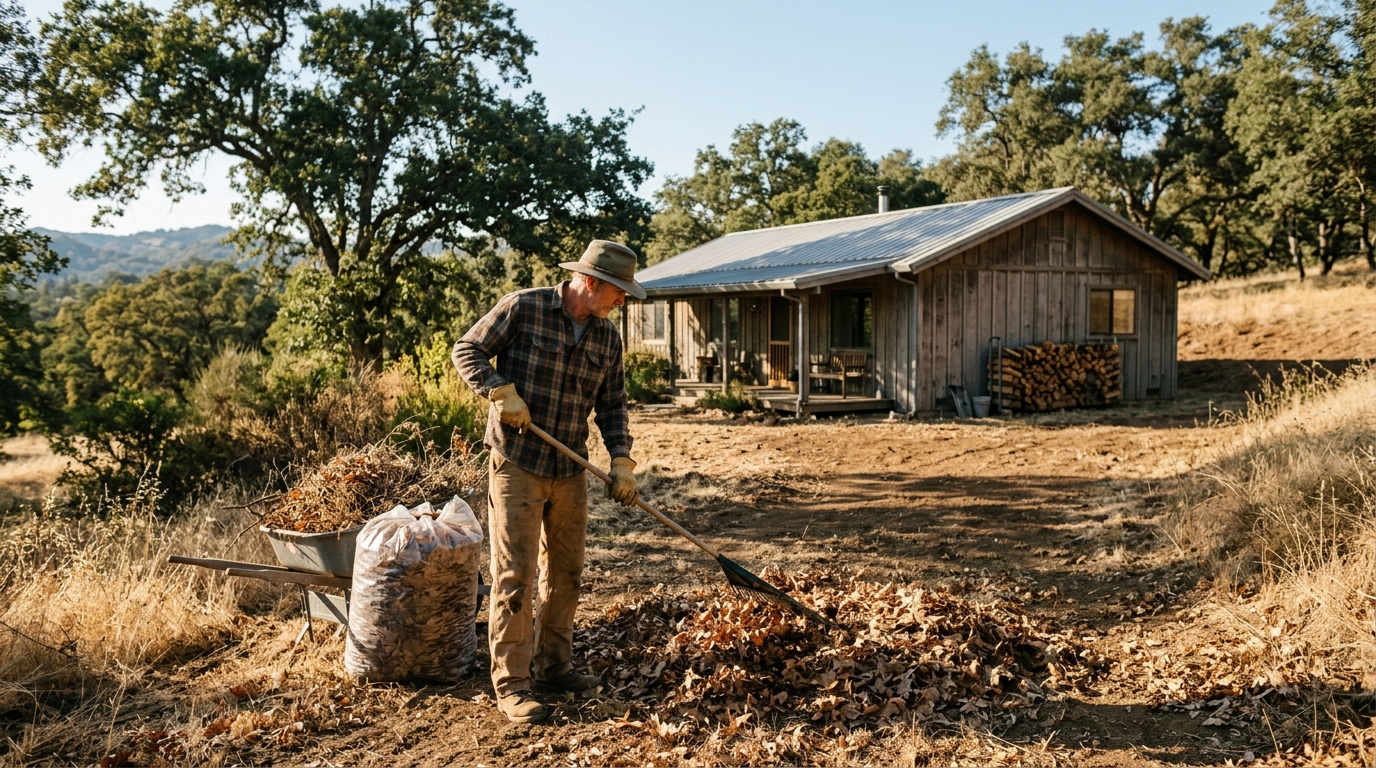
Defensible space is one of the most practical steps in Butte County wildfire preparedness. It does not mean removing everything from your property. It means reducing the materials that can help flames or embers move closer to your home. Dry leaves, dead grass, stacked firewood, flammable outdoor furniture, and overgrown vegetation can increase risk, especially during hot, dry, and windy conditions.
Start close to the home and work outward. Clean gutters, remove dead vegetation near walls, trim branches away from roofs, and avoid storing combustible items against structures. If you live near wildland areas, slopes, wooded land, or dense vegetation, this work becomes even more important. Property owners should also pay attention to sheds, fences, decks, and other structures that may allow fire to move toward the main home.
Butte County Fire also reminds residents to check burn permit requirements before residential burning. Official county fire information notes that burn permits are required beginning May 1, 2026, for residential dooryard burning in Butte County. Before burning yard debris, check current rules, air quality restrictions, weather conditions, and official fire department guidance.
Focus On Embers, Not Just Flames
Many homes are threatened by wind-driven embers before direct flames reach the property. Embers can collect in gutters, vents, decks, wood piles, dry leaves, and outdoor furniture. That is why small cleanup tasks matter. Removing dry debris, screening vulnerable openings, and keeping the area near your home clean can help reduce ignition points.
Keep Driveways And Access Routes Clear
Firefighters and emergency vehicles need safe access. Keep driveways, gates, private roads, and address signs clear and visible. Trim vegetation near roads where appropriate, and avoid blocking access with parked vehicles, equipment, or stored materials. If evacuation becomes necessary, clear access can also help your household leave more safely.
Build A Go Bag And Prepare For Fast Evacuation
A go bag is a basic emergency kit that can be grabbed quickly if your household needs to leave. It should include essentials such as water, snacks, medications, copies of important documents, phone chargers, flashlights, batteries, cash, basic first aid, masks, pet supplies, and personal hygiene items. Families with children, seniors, or medical needs should customize the kit based on real daily needs.
Do not forget your vehicle. Keep fuel levels reasonable during fire season, especially if you live in a higher-risk area or a community with limited routes. Store emergency items in a place that is easy to reach. If you wait until the last minute, you may forget important items or lose valuable time.
Documents are another major part of preparedness. Scan or photograph IDs, insurance documents, medical information, property records, and contact numbers. Store copies securely online and keep physical copies in a grab-and-go folder. If you have pets or livestock, prepare carriers, food, leashes, medications, and a destination plan early.
Use Local Resources And Stay Prepared Year-Round
Wildfire safety should not be treated as a one-day project. Conditions change, vegetation grows back, emergency contacts change, and household needs evolve. Review your plan at least once a year and update your supplies before peak fire season. For residents who recently moved to Butte County, this preparation should be one of the first local tasks after settling in.
Local guides can help you understand the community, but official agencies should guide safety decisions. Use resources from Butte County, CAL FIRE, local fire departments, and emergency management offices. When evacuation warnings or orders are issued, act quickly and follow official instructions. Personal belongings can often be replaced; people and pets cannot.
You can also connect this safety planning with other local topics on our Butte County blog. For example, residents who enjoy outdoor recreation should also understand fire restrictions, smoke impacts, and seasonal safety before visiting lakes, trails, campgrounds, and rural areas. If you are new to the area, our About Butte County California page explains how this website helps residents and visitors explore local information in one place.
Butte County wildfire preparedness is about being realistic, not fearful. The goal is to reduce confusion, protect your household, and stay ready before conditions become urgent. Know your zone, create defensible space, prepare your go bag, check official updates, and talk with your family before fire season becomes active. Those simple steps can help you respond with more confidence when every minute counts.