
PFAS in Butte County water has become a timely concern for residents who care about drinking water, local waterways, agriculture, outdoor recreation, and long-term public health. PFAS are often called “forever chemicals” because many of them break down very slowly in the environment. They can move through water, soil, food systems, and wildlife, which is why communities across California are paying closer attention to testing and public reporting.
For Butte County residents, the topic matters because local life is closely tied to water. Families drink from public systems and private wells. Farmers depend on irrigation. Visitors and locals enjoy creeks, rivers, parks, and Lake Oroville. Chico, Oroville, Paradise, Gridley, Biggs, and foothill communities all have different water sources and different levels of risk awareness. That makes it important to understand the issue without panic, exaggeration, or confusion.
This guide explains what PFAS are, why the issue is trending in California, how Butte County residents can check water information, and what practical steps can reduce exposure at home. It is not medical advice or a replacement for official water testing. However, it can help residents ask better questions and use trusted public resources.
Why PFAS in Butte County Water Is a Trending 2026 Topic
The phrase PFAS in Butte County water is gaining attention because California has been increasing its focus on forever chemicals in drinking water, surface water, sediment, and products that may affect the environment. Recent reporting on California waterways has also placed Butte County within the broader conversation about PFAS-related pesticide contamination. That does not automatically mean every tap, well, creek, or lake in Butte County is unsafe. It means residents should pay attention to testing, public notices, and updated water-quality reports.
PFAS concerns are not limited to one city or one source. These chemicals have been used in many consumer, commercial, industrial, and agricultural applications. They may be associated with nonstick coatings, water-resistant products, firefighting foam, some industrial processes, and certain pesticide-related uses. Because PFAS can persist for a long time, regulators and researchers continue to study how they move through the environment.
What Are PFAS and Why Are They Called Forever Chemicals?

PFAS stands for per- and polyfluoroalkyl substances. That name covers a large group of human-made chemicals. Some PFAS are more studied than others, including PFOA and PFOS. Scientists and regulators are still learning about many compounds in the broader PFAS family, which makes the issue complicated for residents who want simple answers.
PFAS are called forever chemicals because they do not break down easily. Once released, they may remain in soil, water, and living systems for a long time. Some studies have linked certain PFAS exposures with harmful health effects, including concerns involving immune response, cholesterol, liver effects, developmental impacts, and some cancers. The level of risk depends on the chemical, exposure amount, exposure length, and individual health factors.
For residents, the key point is simple: PFAS deserve attention, but fear is not a plan. The best response is to check official water information, understand where your household water comes from, and take reasonable steps to reduce unnecessary exposure.
Do Not Assume All Water Sources Are the Same
One of the biggest mistakes residents can make is treating all Butte County water sources as identical. Public water systems, private wells, agricultural waterways, creeks, rivers, and lakes are not the same. A surface-water study does not automatically describe your tap water. A public water report may not describe a private well. A lake or creek sample may not describe every neighborhood. Always check the source of the data before drawing conclusions.
Where Residents May Encounter PFAS Concerns Locally
Butte County has several water-related settings where residents may naturally ask questions. Drinking water is the first concern because families use it every day. If you receive water from a public system, your provider should publish water-quality information. If you use a private well, you have more responsibility for testing and maintenance because private wells are not reported in the same way as larger public systems.
Outdoor recreation is another concern. Butte County residents and visitors enjoy lakes, creeks, and rivers for fishing, boating, hiking, photography, and family outings. Water-quality issues do not always mean people must avoid outdoor areas, but they do mean residents should follow posted advisories, avoid drinking untreated surface water, and pay attention to official notices after storms, runoff events, algae concerns, or contamination reports.
Agriculture also matters. Butte County has a strong agricultural identity, and statewide PFAS conversations increasingly include pesticides, soil, sediment, irrigation, and food systems. Residents do not need to stop supporting local farms because of broad PFAS headlines. Instead, they should support better monitoring, transparent reporting, and responsible chemical management.
Drinking Water Reports Are the First Place to Check
If your home receives water from a public system, look for the annual Consumer Confidence Report, also called a CCR. This report explains where your water comes from, what was detected, and how results compare with health standards or advisory levels. California water systems are required to prepare these reports, and residents should review them each year. If you cannot find your report, contact your water provider directly.
For statewide PFAS drinking water information, visit the California State Water Resources Control Board PFAS drinking water page. This is a strong authority link because it provides official background, notification levels, response levels, and testing information.
Private Well Owners Should Be More Proactive
Private well owners should not wait for a city or utility report to answer every question. If your household uses a private well, consider asking a certified laboratory or local water professional about testing options. PFAS testing is more specialized than basic water testing, so do not assume a standard bacteria or nitrate test includes PFAS. Ask clearly which contaminants are included and whether the method is appropriate for PFAS detection.
How Butte County Residents Can Reduce Exposure and Stay Informed
Residents can take practical steps while waiting for more research, better monitoring, and clearer public reporting. Start by identifying your water source. Are you served by a public water system, a small community system, or a private well? This determines where you should look for information and who you should contact when you have questions.
Next, review your most recent water-quality report. Search for PFAS, PFOA, PFOS, PFHxS, PFHxA, notification levels, response levels, and detected contaminants. If you see language you do not understand, call the water provider and ask for plain-language clarification. Good questions include: Was PFAS testing performed? Which PFAS were tested? Were any detected? Were results above notification or response levels? What action is being taken?
At home, residents who want additional protection may consider water filters certified for certain PFAS reduction. Not every filter removes PFAS. Pitcher filters, refrigerator filters, carbon filters, and reverse-osmosis systems can vary widely. Read the certification details before buying. Look for claims tied to independent standards, not only marketing language. Also replace filters on schedule because an old filter may not perform properly.
Simple Habits That Help Residents Make Better Water Decisions
Good water-safety habits are not complicated. Keep a folder for water reports, well-test results, filter receipts, and provider notices. Save your water provider’s phone number. Check official websites after major water-quality headlines. Avoid spreading unverified claims on social media because water issues can cause unnecessary fear when details are missing.
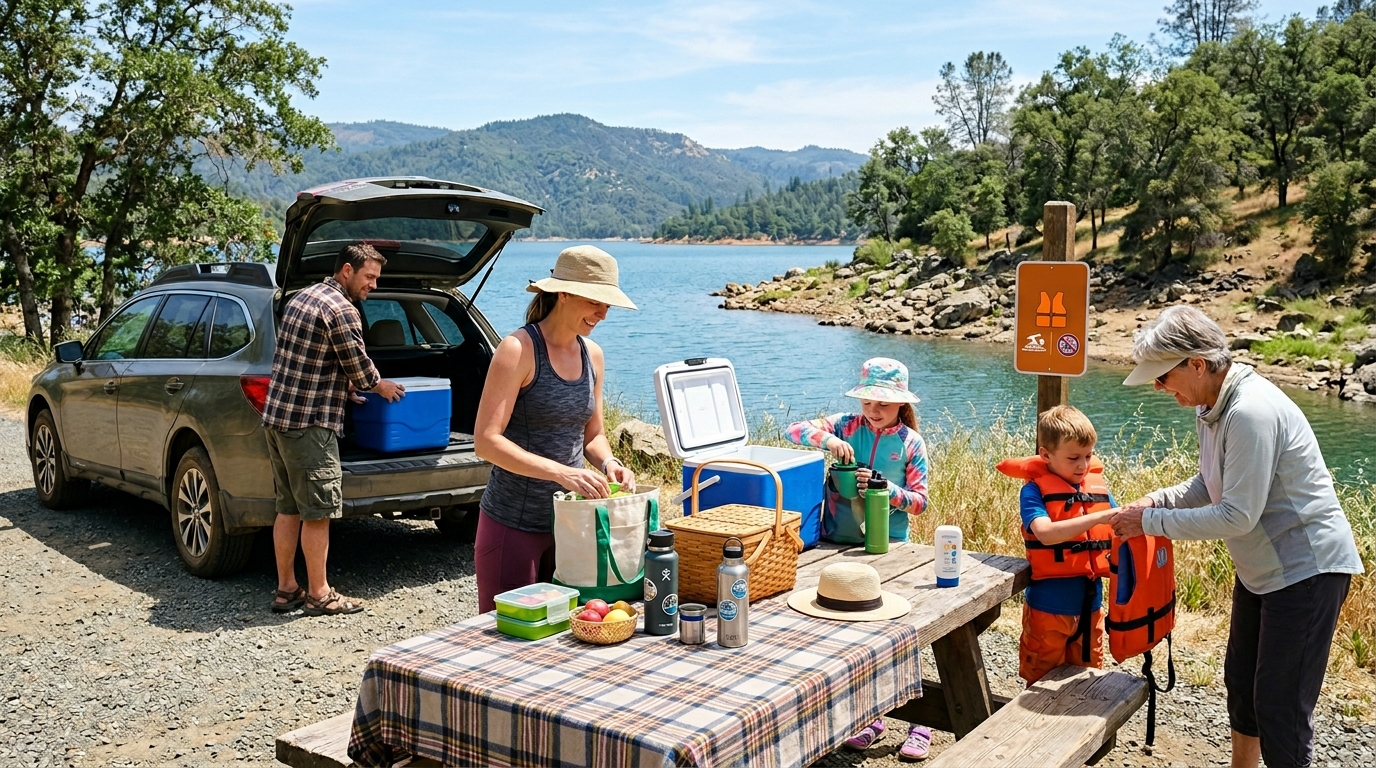
For outdoor activities, bring drinking water from a known safe source instead of drinking untreated creek, river, or lake water. Follow posted advisories near recreation areas. Wash hands after contact with muddy water or sediment, especially before eating. If you fish, watch for any fish-consumption advisories from official agencies. These steps are common-sense precautions, not reasons to stop enjoying Butte County’s outdoors.
Use Local Guides Alongside Official Sources
Community websites can help residents understand why an issue matters locally, but official agencies should remain the source for test results, advisories, and public-health instructions. For more Butte County community updates, visit the Butte County Blog and the Safety Guides section. For official PFAS drinking water information, use the California State Water Resources Control Board and your local water provider.
The most important takeaway is balance. PFAS in Butte County water is a real topic residents should understand, especially as California expands monitoring and updates reporting rules. However, the smartest response is not panic. It is awareness, documentation, testing when appropriate, and regular review of official water information.
Butte County residents have already learned how important preparedness can be, especially with wildfire, drought, heat, and environmental changes. Water safety belongs in that same preparedness mindset. Know your source. Read your reports. Ask questions. Use the right filter if needed. Follow official advisories. Support transparent testing. These steps help families protect their health while staying connected to the local places that make Butte County such a meaningful part of Northern California.