
Butte County fire season 2026 is already a serious topic for homeowners, renters, families, and rural property owners across Chico, Oroville, Paradise, Magalia, Gridley, Biggs, and the surrounding foothill communities. Fire preparation is not only about watching the weather or waiting for an evacuation alert. It is about reducing risk before conditions become urgent, understanding local rules, preparing your household, and knowing how wildfire safety now connects with insurance access in California.
Butte County has lived through major wildfire impacts, so local residents know this subject is not theoretical. Dry grass, hot weather, foothill winds, forested roads, rural access points, and fast-changing conditions can all create pressure during the warmer months. A safer season starts with practical steps: check burn permit rules, clear defensible space, harden the home against embers, know your evacuation zone, review insurance documents, and keep official emergency resources easy to access.
This guide is written for residents who want a clear, realistic starting point. It does not replace official emergency instructions. During an active incident, always follow updates from Butte County, CAL FIRE, local law enforcement, and emergency management officials. For more local safety information, you can also read our Butte County Wildfire Preparedness Guide.
Why Butte County Fire Season 2026 Needs Early Preparation
The biggest mistake residents can make is waiting until smoke is visible or evacuation warnings appear. Fire season preparation works best when it happens before the hottest and driest part of the year. By then, vegetation may already be cured, contractors may be busy, equipment may be harder to schedule, and families may feel rushed. Early action gives you time to fix weak points around the home without panic.
Local preparation matters because Butte County includes many different fire-risk environments. A home in Chico may face different concerns than a rural property near Paradise, Magalia, or the foothills. A property near open grass may need aggressive weed control. A wooded parcel may need tree spacing, ladder fuel reduction, and driveway clearance. A neighborhood home may need ember-resistant upgrades, clean gutters, and a clutter-free five-foot zone around the structure.
Burn Permits Are Part of the 2026 Safety Conversation
One important local update for Butte County fire season 2026 is residential burning. Butte County residents should not assume they can burn yard debris without checking current fire rules first. Permit requirements, seasonal restrictions, air quality limits, and fire weather conditions can all affect whether outdoor burning is allowed.
Before any outdoor burning, review permit requirements, air quality restrictions, weather conditions, and official fire guidance. Wind can shift quickly, and a small debris pile can become dangerous when conditions change. Even when burning is technically allowed, residents should ask whether hauling, chipping, composting, or green waste disposal is the safer option.
Check Before You Burn
Use the official Butte County Fire Department page for current fire information, burn permit updates, and local safety resources. Rules can change during the season, especially when fire danger rises. Do not rely only on memory, old social media posts, or advice from a neighbor. Confirm the latest guidance before you start any residential burning.
Home Hardening Matters More Than Ever
Home hardening means improving a structure so it is less likely to ignite from embers, radiant heat, or direct flame contact. Many homes threatened by wildfire are not lost only because flames reach the walls. Wind-driven embers can land in gutters, vents, decks, wood piles, mulch, patio furniture, and roof valleys. That is why small details matter.
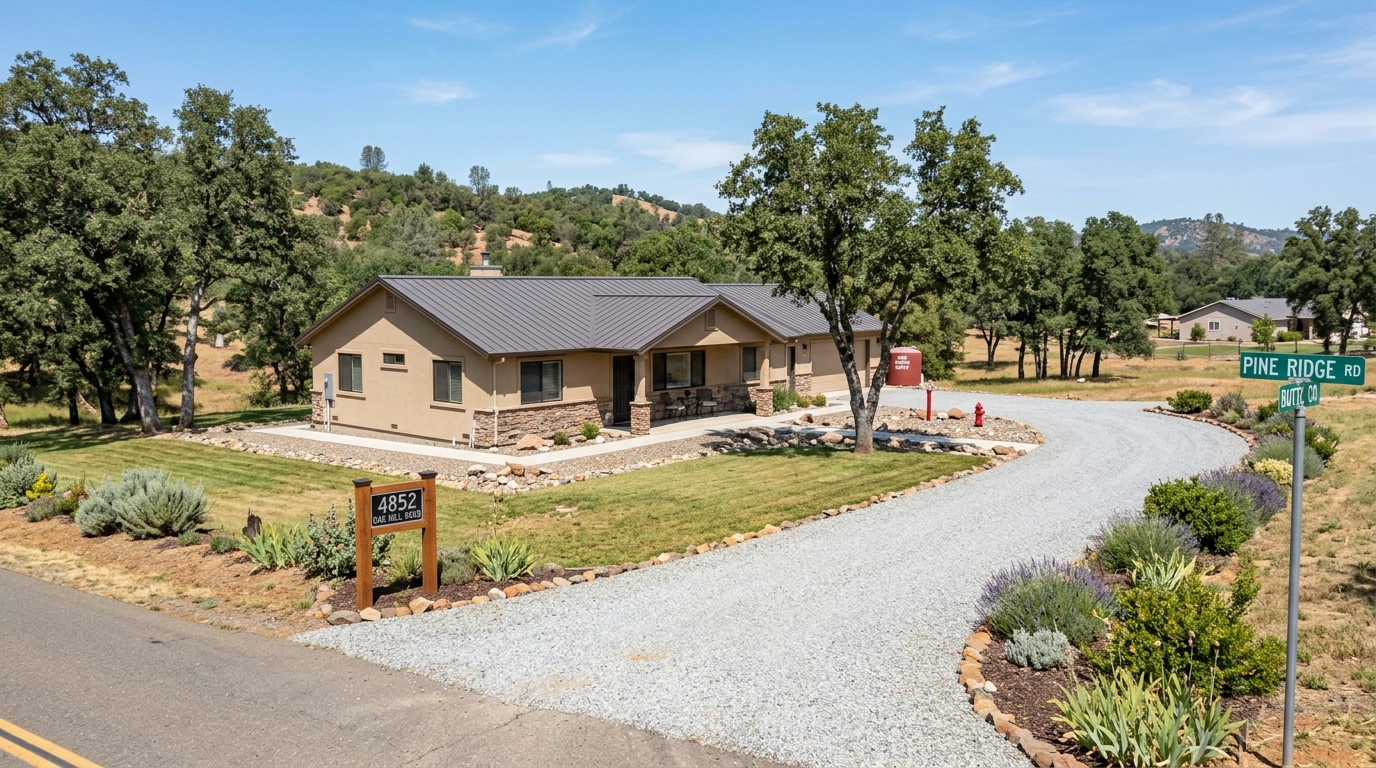
Start with the first five feet around your home. This area is often called the immediate zone or Zone Zero. Remove dry leaves, dead plants, stacked firewood, cardboard, flammable furniture, and combustible storage from next to the structure. Replace bark mulch near walls with gravel, pavers, or other noncombustible material where possible. Keep plants in this zone low, separated, and well maintained.
Next, look at the structure itself. Clean gutters and roof surfaces. Repair damaged screens. Cover vents with proper ember-resistant materials. Move firewood away from the house. Trim branches that touch or overhang the roof. Check fences, decks, sheds, and attached structures because they can create pathways for fire to reach the home.
Focus on Embers First
For many Butte County homes, ember protection should be a top priority. Embers can travel ahead of the main fire and collect in vulnerable places. Walk around your property and look for anything dry, loose, or flammable near openings, corners, vents, decks, and roof edges. If embers landed there, would they find fuel? If the answer is yes, that area needs attention.
Defensible space and home hardening also support firefighters. Clear access, visible address signs, trimmed driveways, and reduced vegetation can make it safer for emergency crews to work near a property. They can also help your household leave faster if evacuation becomes necessary.
Insurance Is Now Connected to Wildfire Preparation
Another reason Butte County fire season 2026 deserves attention is insurance. Across California, wildfire risk has affected availability, premiums, renewals, and homeowner decisions. Residents in fire-prone communities should treat insurance review as part of seasonal preparedness, not as a separate financial chore.
California has placed more attention on home hardening, wildfire risk transparency, and insurance access. These changes do not mean every household will immediately see lower costs or easier coverage. However, they do show that documented mitigation work is becoming more important. If you improve your property, keep records. Take photos before and after vegetation work. Save receipts for roof work, vent upgrades, gutter guards, tree trimming, defensible space cleanup, and contractor services. These documents may help when speaking with insurers, applying for programs, or reviewing policy options.
Residents should also read their policy before an emergency happens. Know your dwelling coverage, personal property limits, loss-of-use coverage, deductible, exclusions, and claim requirements. Store digital copies in a secure cloud account and keep paper copies in your go bag. If your policy renews during fire season, do not wait until the last minute to ask questions.
Document Every Safety Improvement
Good documentation can protect you from confusion later. Create a simple folder for wildfire-related records. Include photos of defensible space, invoices from licensed contractors, insurance letters, inspection notes, and a list of upgrades. Update the folder each year. This habit helps you track what has been done, what still needs work, and what proof you can provide if your insurer asks about property conditions.
How Butte County Residents Can Prepare Before Conditions Get Worse
Preparation should be practical. You do not need to solve every problem in one weekend. Instead, divide the work into three areas: property, household, and information. Your property plan reduces ignition risk. Your household plan helps people and pets leave quickly. Your information plan keeps official updates and documents close when decisions need to happen fast.
For the property, start close to the home and move outward. Clean gutters, remove dry debris, trim vegetation, clear the first five feet, and make sure driveways are accessible. Walk the property after windy days because branches, leaves, and debris can return quickly. If you own a larger parcel, prioritize the areas that affect structures, driveways, propane tanks, fences, sheds, and evacuation access.
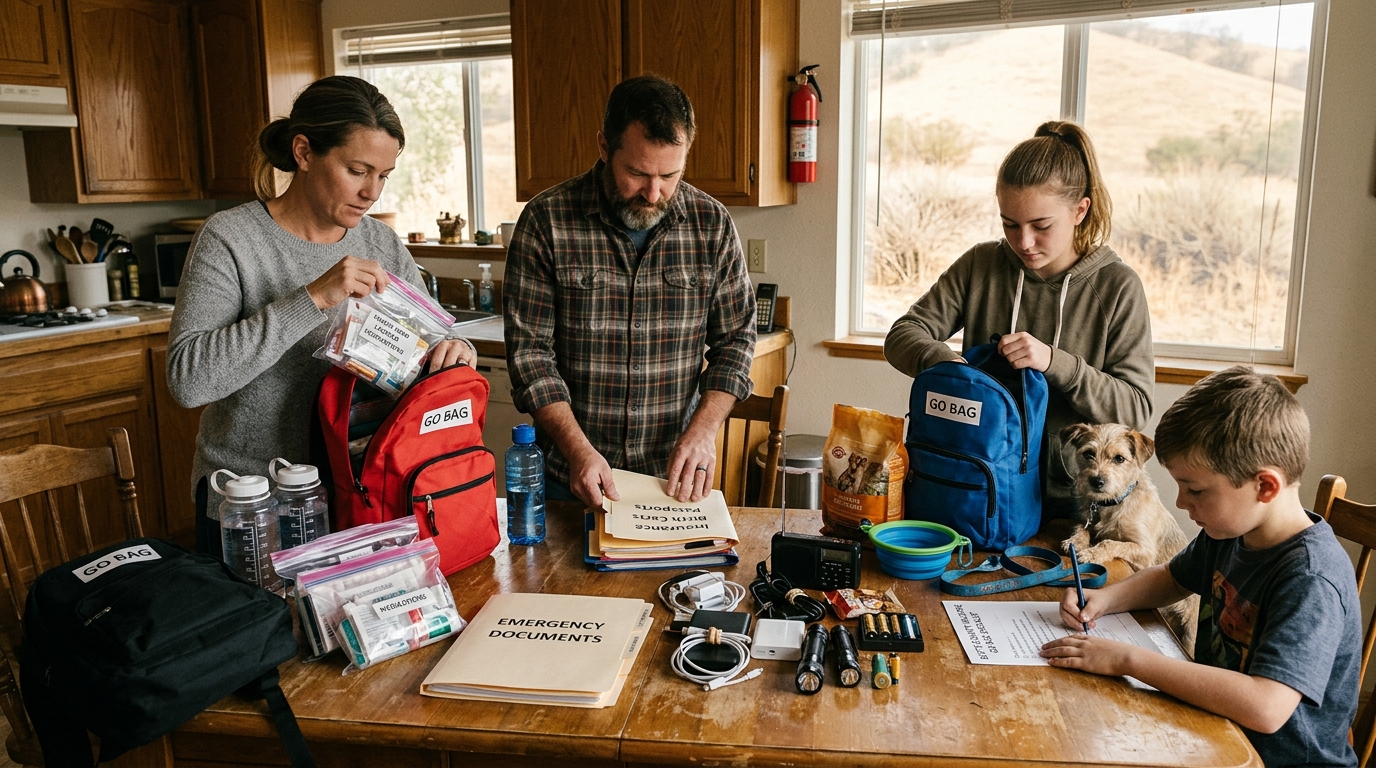
For the household, prepare go bags early. Include water, snacks, medication, copies of important documents, phone chargers, flashlights, batteries, basic first aid, masks, cash, pet supplies, hygiene items, and a change of clothes. Families with children, seniors, medical needs, or pets should customize supplies. Do not forget vehicle readiness. Keep enough fuel in the car during high-risk periods, and avoid waiting until an evacuation warning to gather essentials.
For information, know your evacuation zone and save official links. Butte County uses evacuation zones during emergencies, so residents should know their zone before a fire starts. Write it down, save it on your phone, and share it with household members. Also save official emergency sources instead of relying only on screenshots or reposted updates. Old information can spread fast during emergencies.
Build a Simple Weekend Checklist
Use one weekend to make progress. On Saturday morning, identify your evacuation zone and review household contacts. In the afternoon, clean gutters, move flammable items away from the home, and check address visibility. On Sunday, pack go bags, photograph insurance documents, and walk the property for ember risks. A focused weekend will not complete every task, but it can move your household from unprepared to much safer.
Residents who already enjoy Butte County’s outdoor areas should also think about seasonal safety when planning hikes, lake days, camping, or scenic drives. Fire restrictions, smoke, heat, road closures, and air quality can change a trip quickly. If you are planning local recreation, check our Butte County Blog for more local guides and community resources.
The goal is not to live in fear. The goal is to be realistic. Butte County residents understand that wildfire preparation is part of life in Northern California. When you prepare early, you reduce confusion, protect your household, support emergency response, and put yourself in a better position with insurance and recovery planning.
Butte County fire season 2026 should push every household to take clear action now: check burn permit rules, harden the home, maintain defensible space, know your evacuation zone, prepare go bags, review insurance, and follow official updates. These steps are not complicated, but they matter. The more organized you are before conditions worsen, the better your chances of responding calmly when every minute counts.