
Butte County ALERT FM is giving eligible rural residents another way to receive emergency information when power, internet, or cellular service is unavailable.
The program is especially relevant in communities where wildfire, severe weather, outages, road closures, or damaged communication networks can make a smartphone less reliable than usual.
In 2026, Butte County began distributing free ALERT FM receivers to qualifying households in selected rural areas. The devices receive emergency messages issued by the Butte County Sheriff’s Office through existing FM radio signals.
When an alert arrives, the receiver can activate an audible siren, flash a light, and display the emergency message.
The county still has distribution dates scheduled for November and December 2026, making this a useful time for eligible residents to understand how the program works and whether their household qualifies.
ALERT FM should not replace every other warning method. Instead, it gives households another layer of protection when a phone, internet connection, or electrical system stops working.
Why Butte County ALERT FM Matters for Rural Emergency Preparedness
Emergency communication can become more difficult in rural areas.
Cell coverage may already be inconsistent in some foothill communities. During a wildfire or major storm, high network demand, damaged infrastructure, or a power outage can make normal communication even less dependable.
That is why emergency planning should include more than one way to receive official information.
Butte County created the ALERT FM distribution program to strengthen that backup system for communities that may be especially vulnerable when conventional networks fail.
How an ALERT FM Receiver Works
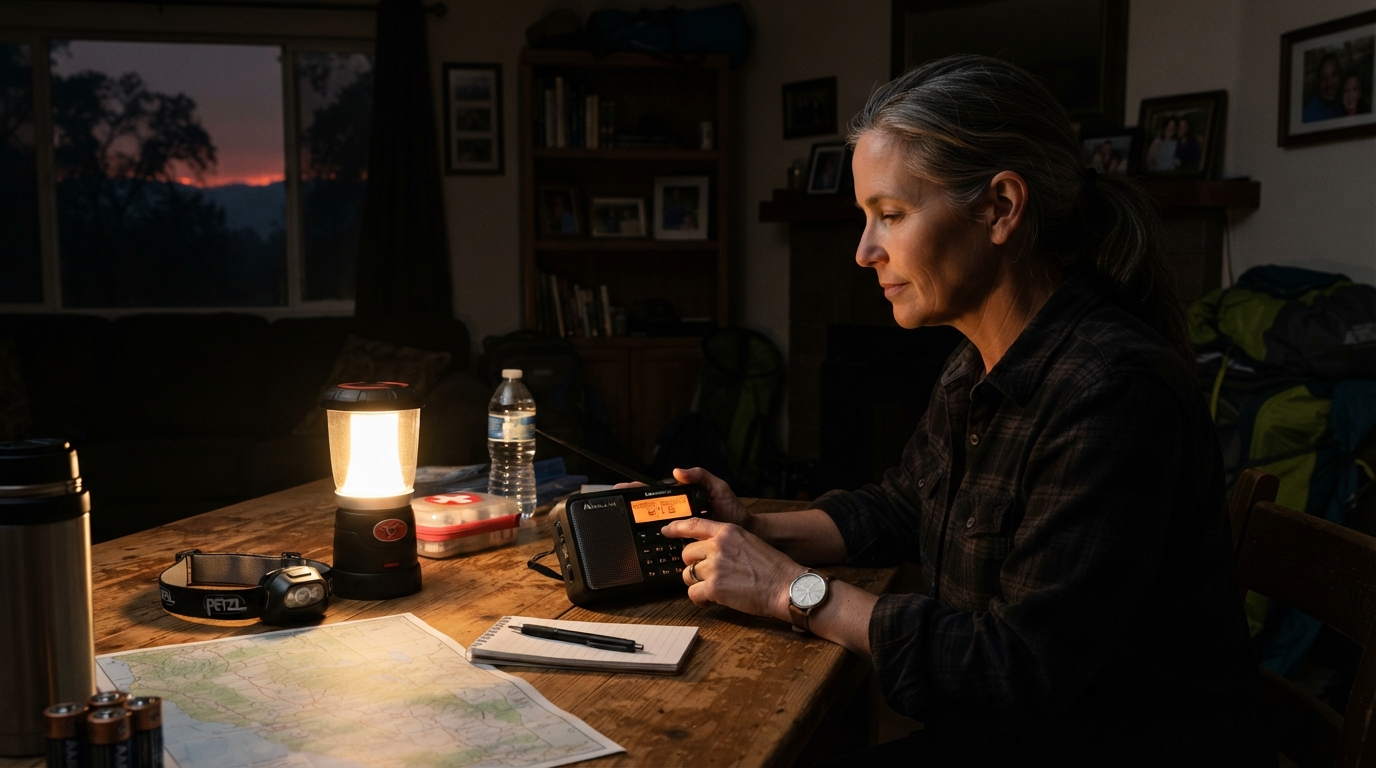
An ALERT FM receiver is a small home emergency-notification device.
Unlike a normal smartphone alert, it does not depend on a cellular data connection. The device receives messages through FM radio infrastructure and is programmed around its physical location.
Butte County says the Sheriff’s Office determines the emergency messages sent through the system.
The receiver can deliver different types of official notifications during a crisis. When a message is transmitted, the unit can sound an alarm, flash a light, and show the text of the warning.
That combination can be especially useful overnight or when residents are not actively checking a phone.
Battery Backup Helps When the Power Goes Out
The receiver normally uses Micro-USB power, but it also includes a single AA battery backup.
Butte County says the backup can last up to three weeks without external power.
That feature matters because wildfire, wind, storms, or utility safety shutoffs may leave households without electricity for an extended period.
A phone can still be helpful during an outage, but it eventually needs charging. Cellular towers and home internet systems can also experience interruptions.
An emergency receiver that uses a different communication pathway gives residents another chance to hear an official warning.
This fits closely with the preparation steps in our Butte County Fire Season 2026 guide, which recommends preparing emergency information before conditions become urgent.
Only Certain Communities and Households Qualify for Free Units
The grant-funded receivers are not being distributed automatically to every Butte County household.
The county lists eligible rural communities including Bangor, Berry Creek, Butte Creek Canyon, Butte Meadows, Butte Valley, Clipper Mills, Cohasset, Concow, Forbestown, Forest Ranch, Magalia, Stirling City, Honcut, Palermo, Robinson Mill, South Oroville, and Yankee Hill.
Households must also meet the program’s income requirements.
The current county page lists an annual income limit of $54,400 for a one-person household, $77,700 for a four-person household, and $102,600 for an eight-person household, with separate limits for household sizes in between.
Those figures are tied to the program’s low-to-moderate-income eligibility requirements.
Receivers are offered on a first-come, first-served basis while supplies remain available.
Residents should review the official county page before traveling because eligibility requirements, available supply, and distribution details can change.
ALERT FM Works Alongside Butte County Emergency Alerts
Residents may wonder whether they still need to sign up for phone alerts if they receive an ALERT FM device.
The answer is yes.
Butte County has transitioned from CodeRED to a newer system called Butte County Emergency Alerts. The county says this system uses Rave and Smart911 technology to send notifications by text message, phone call, and email.
Residents can create their own accounts and select preferred languages and communication methods.
That system and Butte County ALERT FM serve different but complementary roles.
The phone-based system can follow residents through much of their daily routine. ALERT FM provides a fixed-location backup at the household when normal communication networks are unavailable.
Use More Than One Emergency Alert Channel
Emergency preparedness works best when households avoid depending on a single device.
Sign up for Butte County Emergency Alerts. Keep the ALERT FM receiver powered and tested if your household has one. Follow official Sheriff’s Office and county information. Know your evacuation zone.
It is also smart to have a battery-powered or hand-crank radio available.
During an emergency, avoid relying only on neighborhood social-media posts. Community groups can be useful for sharing information, but screenshots and reposts may be delayed or taken out of context.
Official evacuation warnings and orders should come from public-safety agencies.
Our Butte County Wildfire Preparedness Guide explains how evacuation zones, go bags, defensible space, and family communication plans fit into that larger safety strategy.
How to Apply for a Free ALERT FM Receiver in 2026
Butte County has been holding in-person application and distribution events in Oroville throughout 2026.
As of October, the remaining scheduled dates are November 6 and December 4.
Residents should confirm the schedule on the official county website before making the trip because availability is limited.
The county says applications are handled in person rather than through a simple online request for the grant-funded units.
Know the Location, Schedule, and Eligibility Before You Go
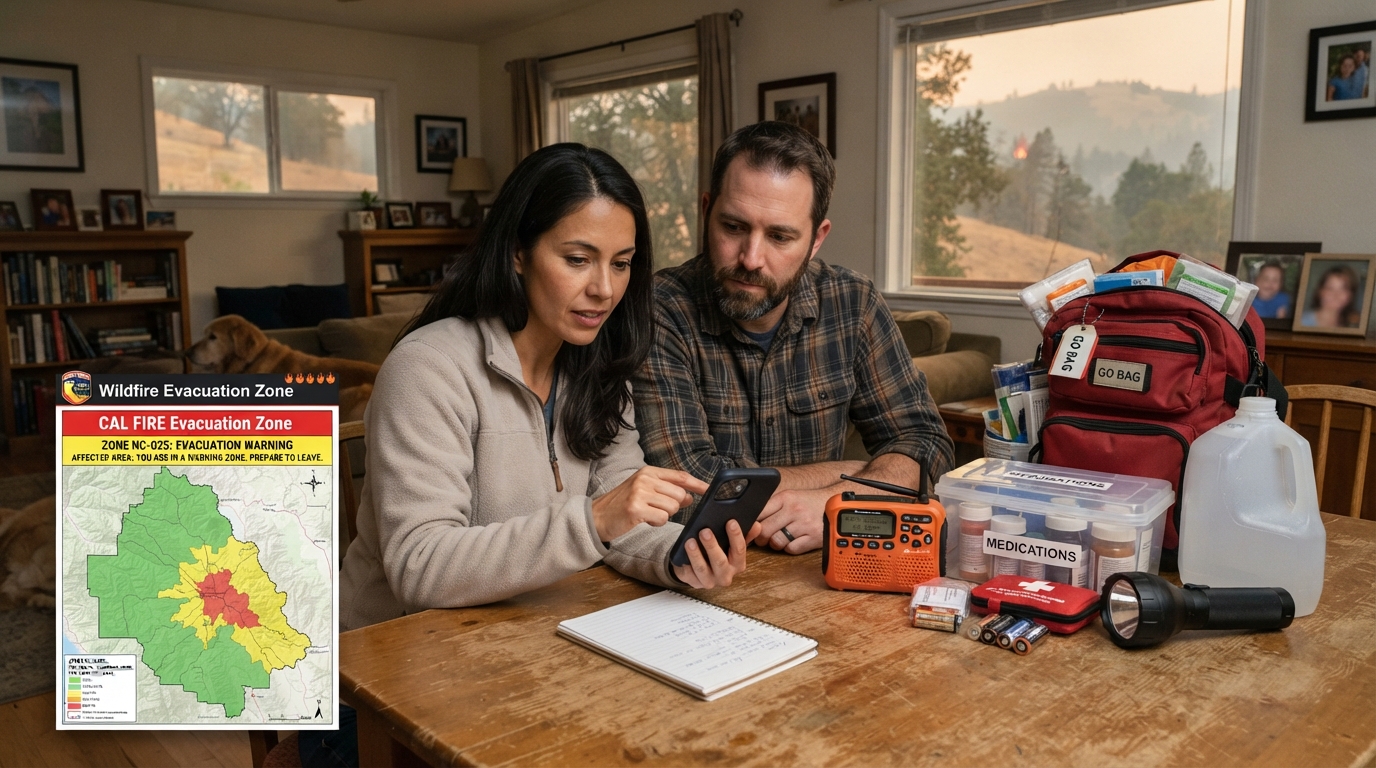
The current distribution location is 202 Mira Loma Drive in the Klamath Room in Oroville.
The scheduled hours are 10:00 a.m. to 2:00 p.m.
Community Emergency Response Team volunteers have been helping residents with the eligibility-verification process during these events.
Before going, check that your physical residence is within one of the eligible communities and review the current household-income limits.
If you are uncertain about eligibility or what information you need to bring, contact the county before driving to Oroville.
The county lists 530-552-6887 as the assistance number for the program.
Households that do not qualify for the free grant-funded device may still be able to purchase an ALERT FM receiver independently. However, residents should review compatibility, physical-address requirements, setup instructions, and costs before purchasing.
After You Receive the Device, Make It Part of Your Household Plan
Getting the receiver is only the first step.
Place it somewhere that household members can hear or see clearly, especially while sleeping.
Keep the unit connected to power under normal conditions and maintain a fresh AA backup battery.
Learn what the sounds and display messages mean before an emergency occurs.
Make sure everyone in the household knows where the receiver is located and understands that official evacuation instructions should be taken seriously.
It is also helpful to test the rest of your emergency plan at the same time.
Know your evacuation zone. Keep important phone numbers written down. Maintain enough fuel or charge in your vehicle during high-risk conditions. Store medications, documents, water, pet supplies, flashlights, and chargers where they can be collected quickly.
For additional emergency-planning resources, visit our Butte County Safety guides.
The receiver should also remain with the physical address for which it is programmed. Butte County notes that ALERT FM notifications are based on the device’s physical location.
That is different from a smartphone, which travels with the user.
This is another reason both systems are valuable.
Butte County ALERT FM
If a resident is away from home, phone-based emergency alerts may provide information about the area they selected in their account. If the household is home during a cellular outage, the FM receiver offers an independent notification method.
Butte County’s history with wildfire makes redundant communication especially important.
Fast-moving emergencies may involve evacuation warnings, evacuation orders, road closures, shelter information, dangerous weather, or changing fire behavior.
A few minutes can matter when residents need to gather family members, load pets, or leave through limited rural roads.
Technology cannot guarantee that every emergency message reaches every person. Terrain, equipment problems, user setup, power conditions, and other factors can still affect communication.
That is why no household should treat Butte County ALERT FM as the only part of its emergency plan.
Instead, think in layers.
Use county phone alerts. Keep the FM receiver ready. Know your evacuation zone. Listen to local officials. Prepare your vehicle and go bag. Talk with neighbors who may need extra assistance.
For residents in eligible rural communities, the free receiver program offers a practical addition to that system without adding another monthly service bill.
The remaining 2026 distribution events also give residents another opportunity to apply before winter weather and the next fire season.
For current eligibility limits, participating communities, distribution dates, contact information, and setup resources, visit the official Butte County ALERT FM page.
The technology is simple, but the goal is important: make it harder for a loss of power or cell service to leave a household without critical emergency information.